What happens to talent when no one’s watching?
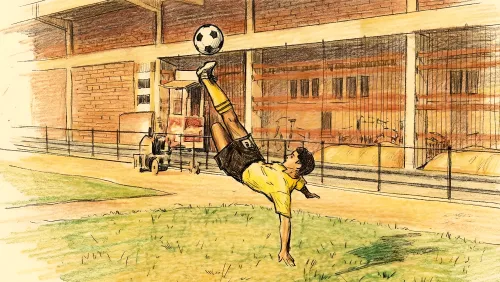
Football in Sri Lanka has a rich heritage that dates back to the 1950s, a time when our national teams displayed great promise and competitive spirit on the regional stage. During these early years, football was one of the leading sports, embraced passionately by communities across the island.
However, as the decades passed, football’s prominence gradually diminished. The rise of cricket as the nation’s premier sport, especially from the 1970s onward, captured the hearts and attention of the public and government alike. Rugby also gained momentum, further pushing football into the background. This shift in focus affected funding, media coverage, and overall support for football at the grassroots and professional levels.
As a result, the football ecosystem suffered. Talented players struggled to gain recognition because scouting and national team selections often favored a small circle of elite schools and well-known clubs. Many gifted athletes from lesser-known regions or smaller schools remained unseen, their potential untapped. This systemic invisibility led to missed opportunities, stifled careers, and a gradual decline in Sri Lanka’s international football competitiveness.
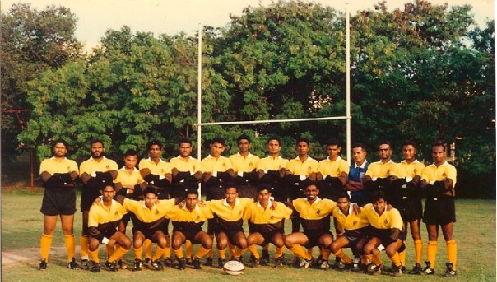
My own journey reflects these harsh realities. Despite dedication, skill, and consistent performance, the lack of exposure and a flawed selection process meant that many moments of promise went unnoticed by those who mattered most—national selectors.
Today, Sri Lankan football stands at a crossroads. To revive the sport’s glory days, it is crucial to rebuild a transparent, inclusive system that identifies and nurtures talent from every corner of the country—because passion and ability are everywhere; they just need the chance to be seen.
.